
Table of contents
The 10 Best Fintech App Developers: Expert Reviewed | 2026

Written by
Blaze Team

Reviewed by
Justyna Wojcik
Expert Verified
I analyzed portfolios, case studies, and client outcomes from 25 fintech app developers to identify the 10 best firms. Here’s my review of programming companies that can create banking platforms, trading systems, crypto products, and other fintech apps in 2026.
No-Code And Low-Code Fintech App Developers
No-code and low-code platforms let fintech teams build compliant apps for payments, lending, and account management without development experience. These 2 platforms below balance regulatory requirements with speed, letting you launch financial products faster than traditional coding allows.
1. Blaze.tech: Best for No-Code Fintech App Development
What it does: Blaze uses a visual builder to create custom fintech workflows quickly. It includes built-in integrations, automation tools, and compliance features.
Who it’s for: Financial services teams launching internal tools or customer portals, and fintech teams who need SOC 2 compliance and strong data security without developers.

We built Blaze to address the challenges most fintech app developers face, including compliance, approvals, and clean data transfer, without developers. Blaze provides a simple drag-and-drop interface with prebuilt components for fintech, such as Gantt charts and conditional field formatting.
Blaze lets business teams build compliant fintech apps for payments and approvals without coding. It includes security features like multi-factor authentication, role controls, and audit logs.
Overall, Blaze enables rapid fintech software creation by internal teams. However, complex compliance or security implementations may still require expert consultation before launch.
Key Features
- HIPAA and SOC 2 compliance: Built-in encryption, audit logs, and access controls help meet regulatory requirements.
- Role-based permissions: Assign granular access by user group across pages, records, and actions.
- Workflow automation: Trigger approvals, notifications, and data updates based on field values without scripting conditional logic.
Pros
- Compliance built in: Use infrastructure designed for HIPAA and SOC 2, reducing the need for custom security engineering and simplifying the management of audits and BAAs.
- Predictable pricing: Flat monthly rates avoid expensive workload-unit surprise charges common on other platforms when processing high transaction volumes.
Cons
- Regulated-industry focus: The platform is optimized for healthcare, finance, and other regulated workflows, which can feel unnecessarily complex for simple internal tools or marketing sites in unregulated sectors.
Bottom Line
Blaze makes sense when your fintech company needs compliance built into your internal apps. If you need a mobile app available in the app stores, consider Appinventiv.
2. Mendix: Best for Enterprise Banking Systems
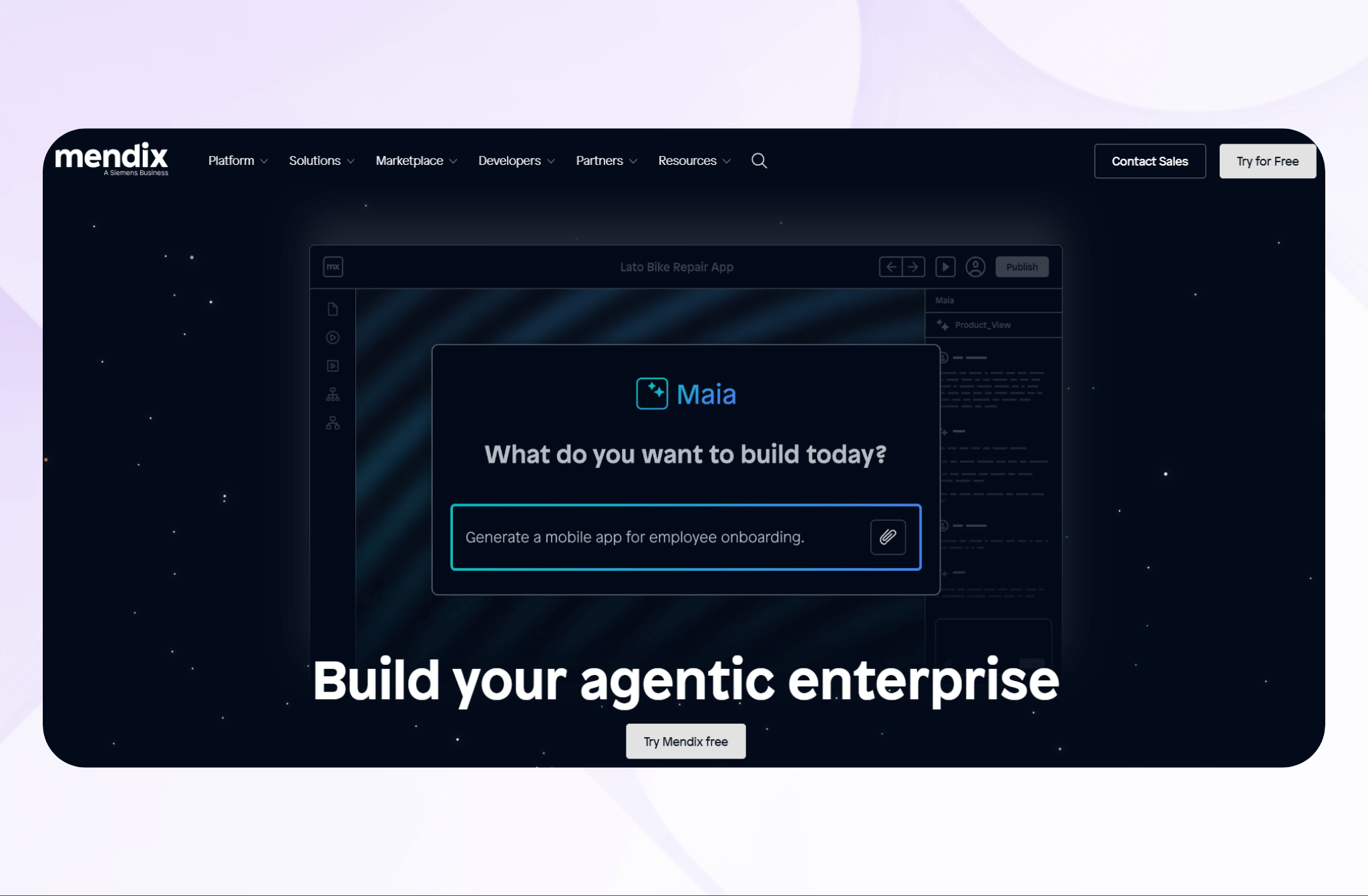
What it does: Mendix provides low-code tools for building regulated enterprise fintech applications, so teams can build their own apps internally.
Who it's for: Established financial institutions modernizing core banking platforms who need developer-led builds with compliance frameworks already configured.
To evaluate Mendix, I reviewed publicly available banking case studies and its integration approach for regulated environments, like legacy connectors, auditability, and role-based access. My findings demonstrate that Mendix can support complex fintech projects, though experienced developers must manage the integrations.
Key Features
- Security features: Built-in encryption, role-based access, and audit trails support financial-grade security and compliance requirements.
- Legacy system integration: Connect to mainframe databases and core banking systems using pre-built connectors and APIs.
- Multi-cloud deployment: Deploy applications across AWS, Azure, or private clouds to meet data residency requirements.
Pros
- Bank-ready deployment: Platform and deployment options support regulated financial workloads.
- Scales to enterprise: Designed to handle millions of daily transactions without performance degradation.
Cons
- Development background needed: Complex changes to production apps typically require Mendix-trained developers.
Bottom Line
Mendix makes sense when you're an established bank replacing legacy systems and have developers who can configure low-code tooling. But fintech startups that need rapid iteration without a dedicated development team should consider a no-code platform like Blaze.
Traditional Fintech App Development Companies
Each of the following companies relies on a traditional development team to build fintech apps for banking, trading, and financial services using programming languages.
3. SDK.finance: Best for Core Banking Platforms
What it does: SDK.finance provides pre‑packaged, white‑label fintech and digital banking platforms that you can customize or extend by adding your own code.
Who it's for: Neobanks and fintech companies launching licensed banking products that need core systems to operate faster than custom development allows.
I reviewed SDK.finance using a case study of its multi-currency ledger system. The platform handled the accounting setup, which let the client team focus on the customer experience. Their approach reduced backend build time and let the team prioritize the customer-facing product.
Key Features
- Card issuing infrastructure: Supports virtual and physical debit cards with spending controls and real-time transaction monitoring.
- White-label mobile app: Provides a ready-made, customizable mobile banking app as a branded frontend.
- Compliance support: Centralizes transaction and account data and provides tools to support regulatory and compliance reporting workflows.
Pros
- Regulatory-friendly infrastructure: Pre-built core banking systems reduce the technical effort required to launch regulated products.
- Proven production deployments: Designed to support high-volume digital banking and payment workloads.
Cons
- Transaction fees: Per‑transaction fee models can cause total processing costs to grow significantly as volume increases.
Bottom Line
SDK.finance is a good fit when you’re launching a banking solution or digital wallet and want proven core infrastructure you can deploy fast. For highly bespoke fintech apps like marketplace lending or investment platforms, a custom development partner like Netguru is a better fit than a pre-packaged banking platform.
4. Netguru: Best for Startup Fintech MVPs
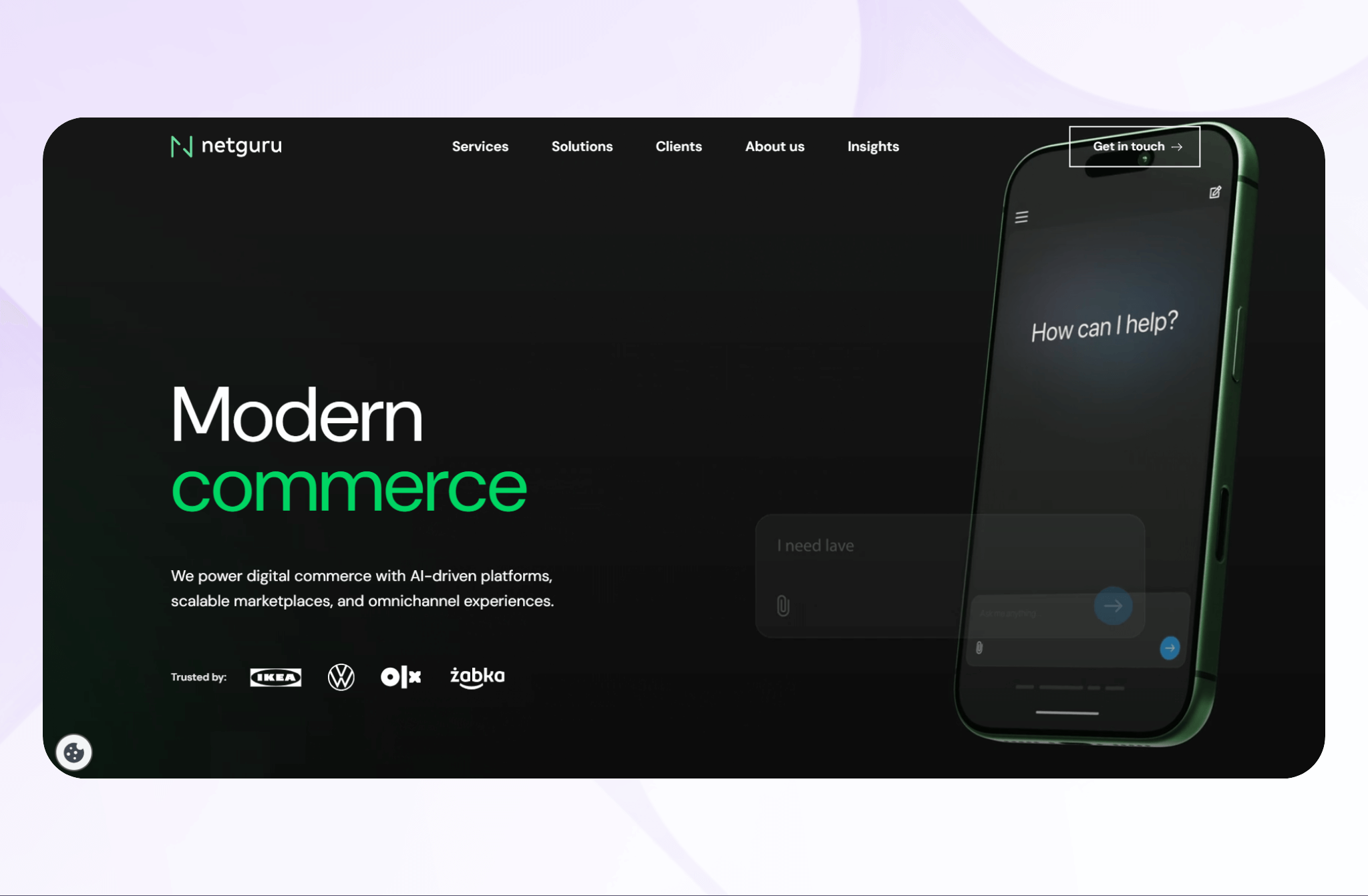
What it does: Netguru provides dedicated teams that build custom fintech MVPs from concept to launch.
Who it's for: Funded fintech startups validating product-market fit who need custom apps built quickly.
I reviewed Netguru’s fintech case studies on payments, KYC, and EU launches to see how they balance compliance and speed. My research revealed that Netguru handled country-specific customs rules and KYC requirements for each market.
Key Features
- Dedicated development teams: Assign developers, designers, and project managers who work exclusively on your fintech product full-time.
- Regulatory guidance: Teams familiar with PSD2, GDPR, and regional compliance requirements help structure apps to meet standards.
- API integration expertise: Connect to banking APIs, payment processors, and identity verification services without building middleware layers.
Pros
- Startup experience: Teams understand MVP prioritization and focus on publishing core features first.
- Fast team assembly: Begin development within two weeks without months of recruiting and onboarding.
Cons
- Scope-change delays: On fixed-scope engagements, significant mid-project changes require change requests and new estimates, which can introduce delays compared to in-house agile teams.
Bottom Line
Netguru makes sense when you've secured funding and need a polished fintech MVP shipped faster than you can hire developers. If you’re more cost-sensitive and want to avoid long-term maintenance overhead, a no-code platform like Blaze is a better fit.
5. Appinventiv: Best for Enterprise Mobile Fintech Apps
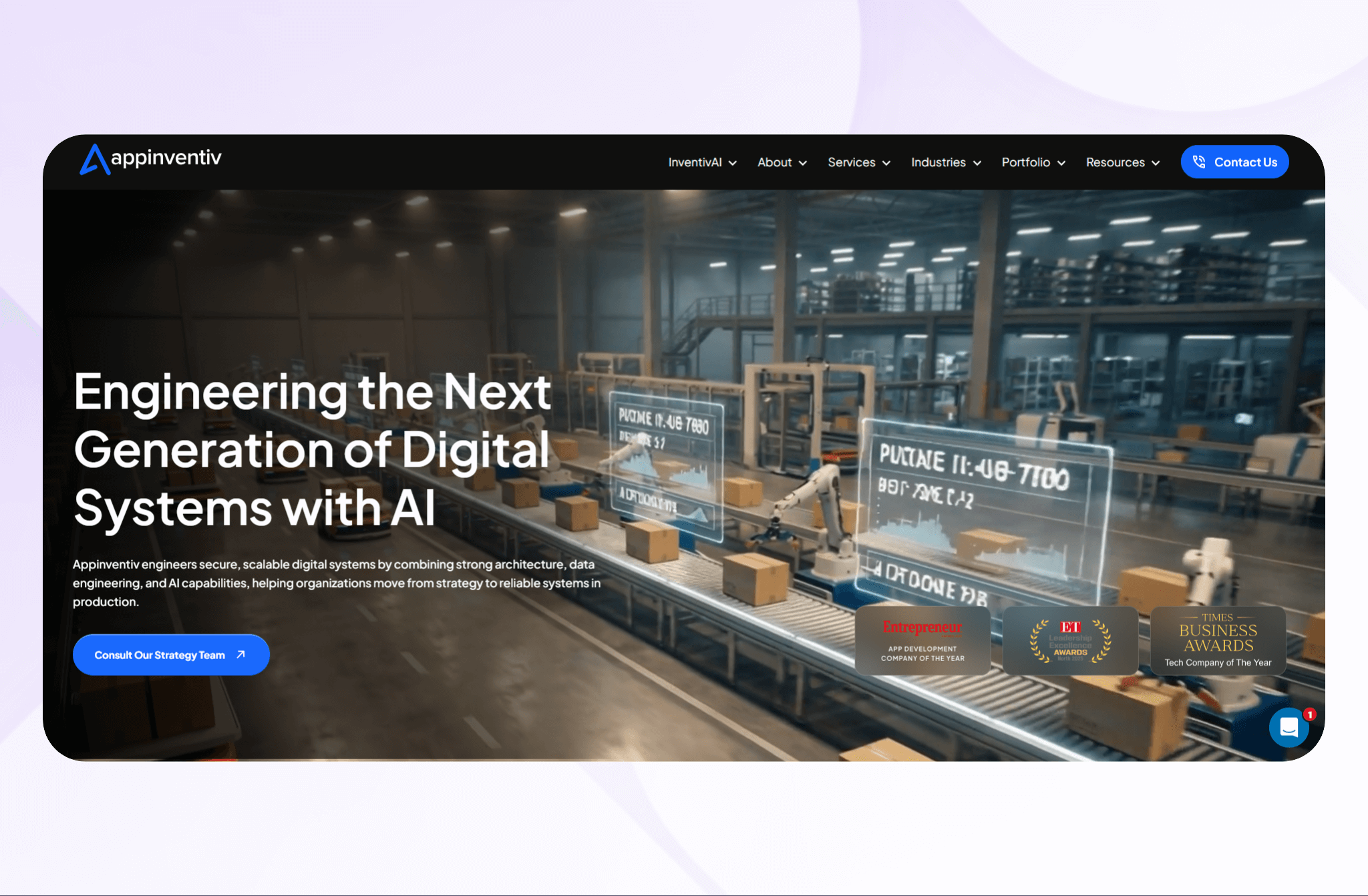
What it does: Appinventiv builds native iOS and Android fintech apps with enterprise-grade design and security.
Who it's for: Established financial institutions launching consumer banking apps that need high-quality mobile experiences without assembling internal mobile teams.
To evaluate Appinventiv, I review its mobile fintech projects, with a focus on features that matter for banking apps. These included login security, session handling, performance, and payment or banking API integrations. I found that Appinventiv can meet the usability and performance standards that banks and fintech companies expect in customer-facing fintech apps.
Key Features
- Native mobile development: Separate iOS and Android apps optimized for performance and platform design guidelines.
- Enterprise UI/UX design: Polished interfaces aligned with your brand, including advanced animations and micro-interactions.
- Payment gateway integration: Connection to major gateways and banking APIs with industry-standard security practices.
Pros
- Consumer-grade polish: Apps can match the visual and UX quality of leading consumer banking fintech apps.
- Enterprise project management: Dedicated delivery teams manage design, development, and launch, reducing coordination and oversight on your side.
Cons
- High engagement cost: Six-figure budgets are common for enterprise-grade mobile builds, which puts them out of reach for most early-stage fintech startups.
Bottom Line
Appinventiv works best for established financial institutions building consumer banking apps that require a polished, enterprise-level mobile experience. Early-stage fintech startups focused on speed and cost control may prefer a leaner MVP approach, like the one Netguru offers.
6. DataArt: Best for Enterprise Financial Systems
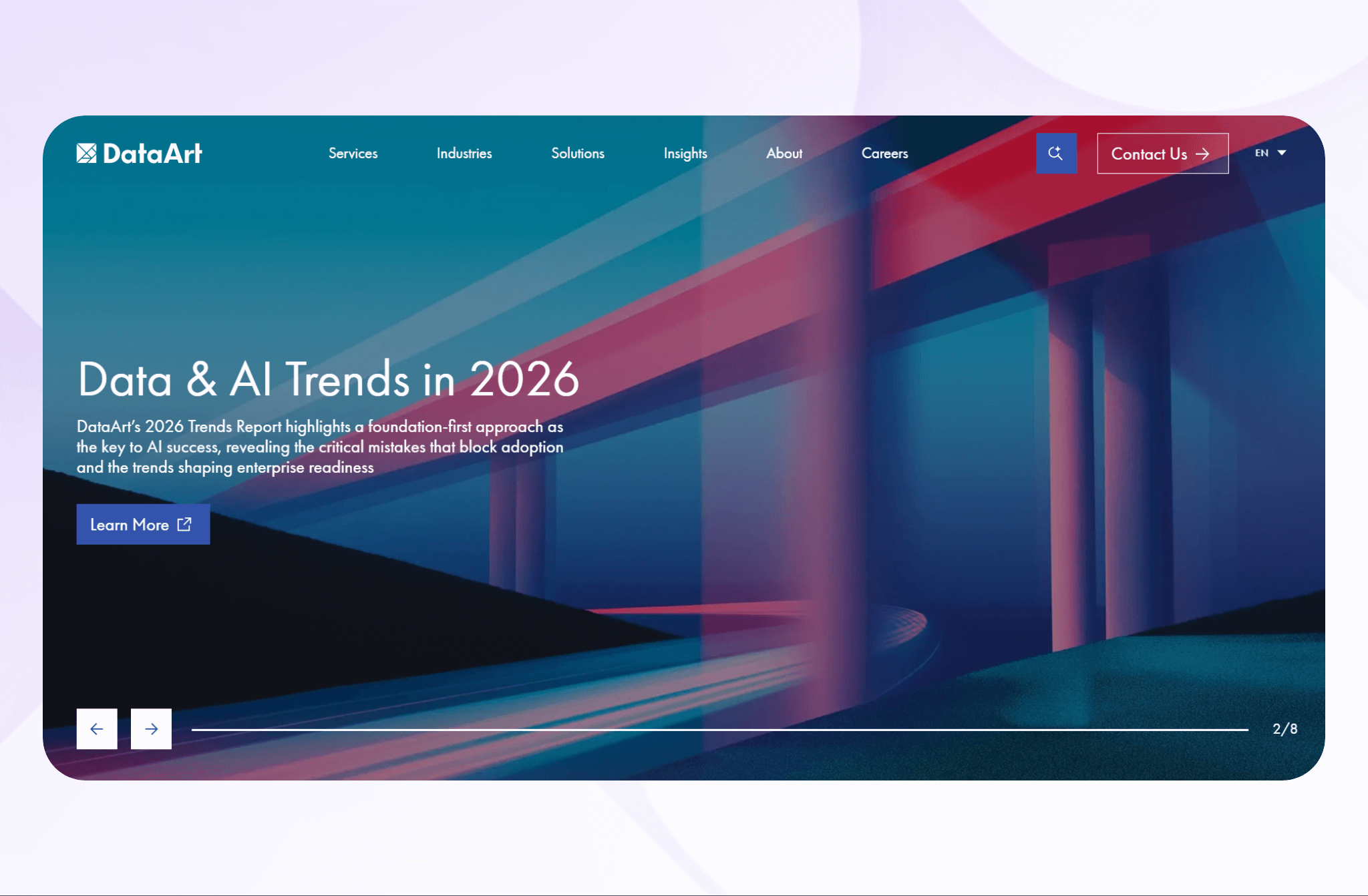
What it does: DataArt builds fintech transaction systems that integrate with existing banking and compliance frameworks.
Who it's for: Large financial institutions modernizing payment systems that require multi-year implementations and must handle millions of transactions without performance failures
I reviewed a DataArt travel payment platform, built to support multiple payment processors. DataArt designed and implemented the full technical integration, while the client retained ownership of ongoing processor relationships.
This setup works best for institutions with established internal processes for managing payment vendors, and it also shows DataArt’s ability to deliver flexible solutions.
Key Features
- Multi-processor integration: Connect to multiple payment gateways and processors with unified routing, prioritization, and fallback logic for transaction flows.
- Real-time fraud tooling: Implement rules-based and data-driven checks to flag suspicious transactions before settlement.
- Regulatory reporting support: Use transaction data and audit trails to support internal reporting, audits, and regulatory submissions.
Pros
- Payments and compliance experience: Teams work with PCI-DSS, PSD2, and other financial regulations and align system design to your compliance framework.
- Legacy integration depth: Strong track record of integrating with older banking systems and proprietary platforms.
Cons
- Structured change management: The team usually handles scope or feature changes via formal change control, which can slow down frequent, small pivots.
Bottom Line
DataArt is a strong choice for large financial institutions or established payment providers looking to upgrade their core payment infrastructure. Mid-market fintech companies with smaller budgets and faster iteration cycles may find Appinventiv’s mobile-first approach a better fit.
7. Itexus: Best for Trading-Centric Fintech Products
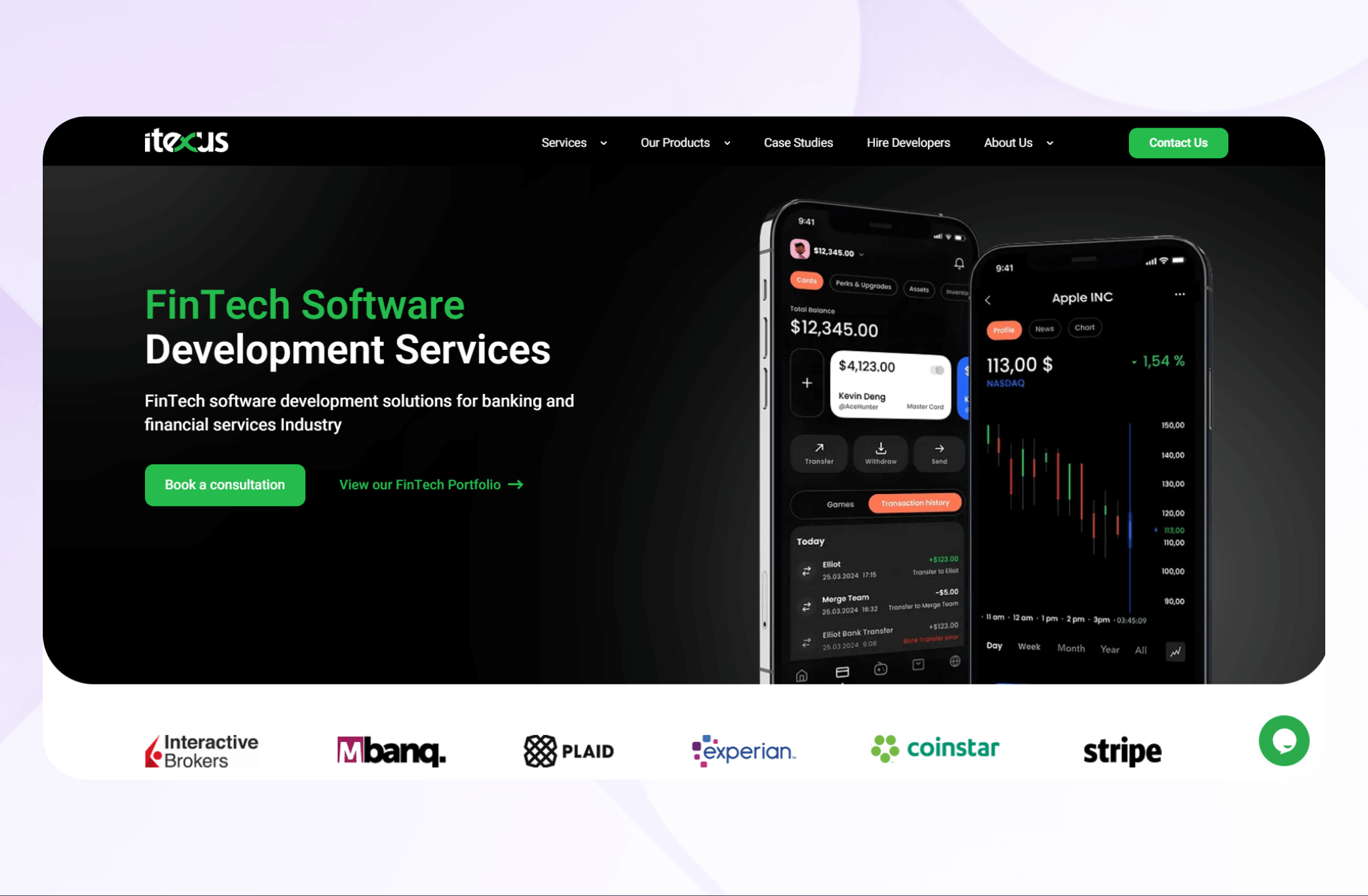
What it does: Itexus provides teams that deliver custom fintech products from initial concept through launch and long-term maintenance.
Who it's for: Fintech companies building custom trading platforms, wealth management tools, or specialized financial applications that fall outside standard banking products.
I reviewed Itexus’s work through an automated stock-trading platform they built for an investment firm. Itexus created the entire trading engine, including real-time market data and automated trade execution. This example highlights Itexus’s ability to take a client's investment strategy and turn it into a fully functional trading platform.
Key Features
- Algorithmic trading engines: Build automated trading systems that execute strategies based on live market data, technical indicators, and custom business rules.
- Real-time market data: Integrate with stock, crypto, and other financial data providers to support live price feeds, analytics, and execution decisions.
- Portfolio management tools: Create dashboards that track portfolio performance, asset allocation, and risk metrics across client accounts.
Pros
- Complex trading logic capability: Teams have algorithmic execution, order routing, and market data processing experience and can deliver advanced trading features faster.
- Financial domain expertise: Familiarity with trading and investment workflows helps avoid architecture choices that break once strategies or product requirements evolve.
Cons
- Slower ad‑hoc changes: New features usually go through formal analysis and scoping, which slows rapid experimentation compared to an internal engineering team.
Bottom Line
Itexus is a strong fit for specialized financial products such as trading platforms or wealth management tools. Companies focused on standard banking products like accounts, payments, and lending may move faster with a ready-made core banking platform such as SDK.finance.
8. Innowise: Best for Blockchain and Crypto Fintech Apps
What it does: Innowise is a development agency that specializes in blockchain, decentralized finance apps, crypto wallets, and tokenization platforms.
Who it's for: Crypto startups and traditional finance companies building DeFi products, NFT marketplaces, or blockchain-based payment systems without internal expertise.
I reviewed Innowise’s technical work by looking at a decentralized banking platform they built on Ethereum. Innowise’s solution handled smart contracts, wallet setup, and blockchain node management. The client reported that the product launched smoothly and processed transactions reliably.
Key Features
- Smart contract development: Build and review self-executing smart contracts on Ethereum, BNB Chain, and other blockchains.
- Crypto wallet integration: Integrate wallets such as MetaMask, WalletConnect, and hardware wallets for secure authentication and transaction signing.
- DeFi protocol connectivity: Connect to lending protocols, decentralized exchanges, and liquidity pools for trading, staking, and yield strategies.
Pros
- Specialized blockchain expertise: Teams with experience in cryptography, consensus mechanisms, and protocol design can implement complex on-chain logic more safely than generalist developers.
- Security review practice: Prior experience with smart contract audits helps discover common vulnerabilities before deployment.
Cons
- Regulatory and compliance complexity: DeFi and tokenization projects face evolving rules on securities, KYC/AML, and consumer protection, so you still need separate legal and compliance work even with a strong blockchain engineering partner.
Bottom Line
Innowise works well for teams building DeFi protocols, crypto exchanges, or token platforms that need strong blockchain and security expertise. Teams building lighter blockchain or traditional fintech products should consider Blaze, which offers no-code tools for Web3 workflows.
Regional And Cost-Focused Fintech Development
Regional and lower-cost fintech development firms build custom apps at lower prices than agencies in the US or Western Europe. They do this by using skilled teams in Eastern Europe, Asia, and Latin America. These 3 firms balance cost and quality, making them a good fit for startups and mid-sized companies working on limited budgets.
9. KindGeek: Best for Regulated Fintech App Development
What it does: KindGeek builds fintech apps with regulatory frameworks and security certifications already implemented correctly.
Who it's for: Fintech startups entering regulated markets who need PSD2, GDPR, and financial licensing requirements handled without internal compliance teams.
I reviewed KindGeek’s regulated fintech projects, focusing on security, KYC, and audit readiness. My research found that KindGeek supported applications with payment security and compliance, including the technical and documentation work needed for audits.
Key Features
- KYC and AML integration: Connect to identity verification providers and implement anti–money laundering workflows.
- Security/audit readiness: Help document systems, controls, and procedures to prepare for financial services security reviews and external audits.
- Data sovereignty architecture: Structure applications and data storage so customer information can be kept in required jurisdictions to meet data residency rules.
Pros
- Faster certification: Prior experience with regulated fintech implementations across different jurisdictions can shorten the time from initial design to readiness for external security and compliance assessments.
- Lower regulatory misstep risk: Domain knowledge helps avoid design choices that commonly cause audit issues or launch delays in regulated markets.
Cons
- European-centric strengths: KindGeek’s strongest experience is more focused on EU regulations, so expansion into other regions may require additional local regulatory input.
Bottom Line
KindGeek works best for companies launching regulated fintech products in European markets that need support in meeting technical requirements for financial compliance. Teams building unregulated tools, like budgeting apps or financial calculators, could pay more for compliance expertise they don’t need, and might want to consider a provider like Itexus.
10. Nimble AppGenie: Best for Budget-Conscious Fintech Apps
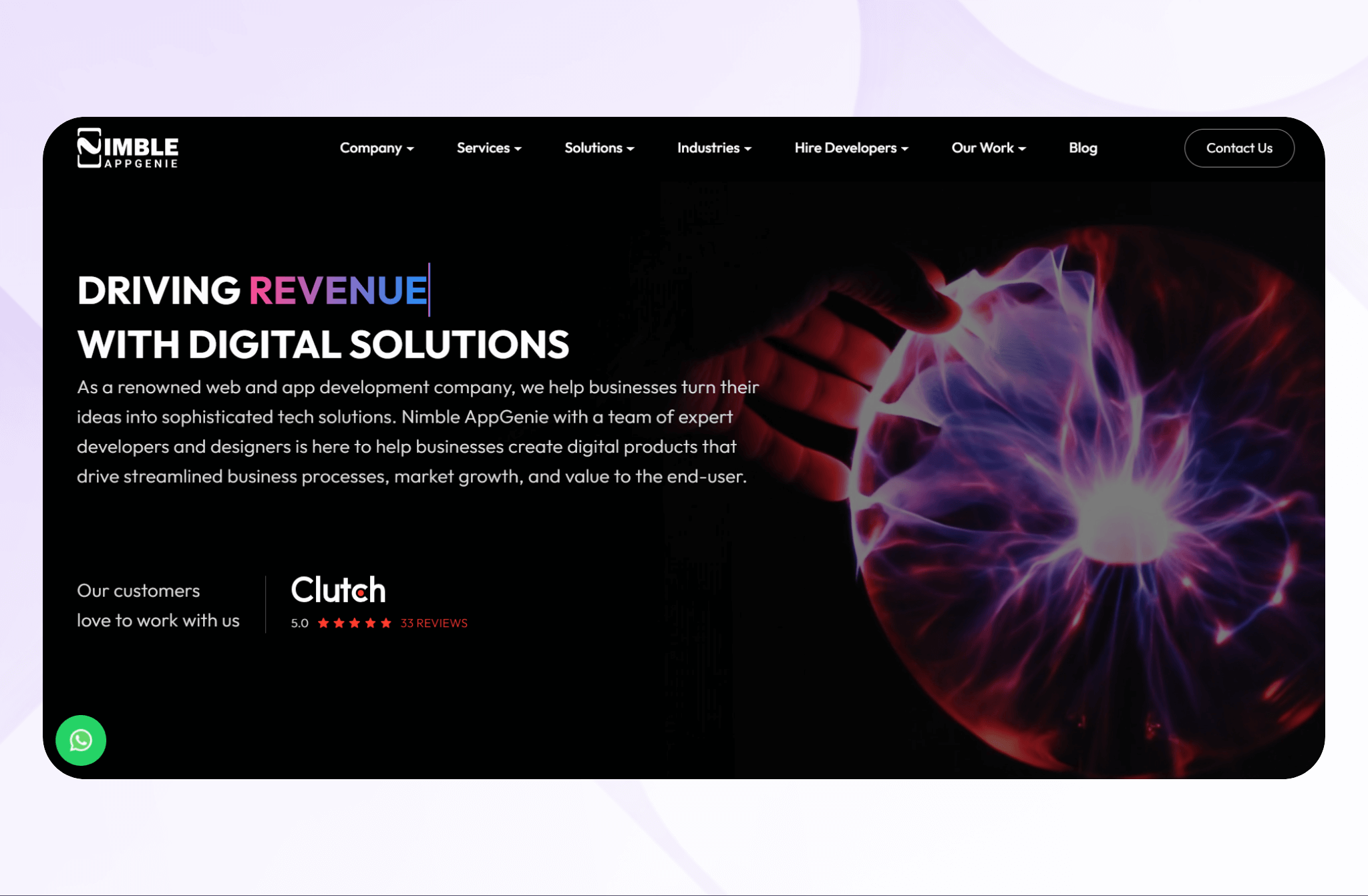
What it does: Nimble AppGenie builds fintech MVPs and mobile apps at lower rates without sacrificing core functionality.
Who it's for: Bootstrapped fintech startups and small companies launching payment apps, wallets, or lending platforms on tight budgets under $50K.
I evaluated Nimble AppGenie by reviewing its budget-focused fintech MVPs. I looked at wallet flows, payment integrations, and how cleanly clients could hand work off to compliance teams.
In the PayByWallet project, Nimble AppGenie delivered the core product features but left compliance and regulatory sign-off to the client. This approach works for early validation, but it isn’t ready for regulated markets.
Key Features
- QR code payments: Implement scan‑to‑pay flows for in‑person transactions at retail locations and merchant points of sale.
- Multi‑currency support: Develop wallets that work with multiple currencies and cross‑border payments.
- MVP‑oriented delivery: Use offshore and distributed teams to deliver initial fintech versions in a few months.
Pros
- Cost-efficient development: Offshore teams often cost much less than US-based agencies because they use proven fintech patterns and lower labor rates.
- Fast MVP cycles: Experience with e-wallets and common fintech apps helps the team release core features rapidly.
Cons
- Compliance still on you: Even with a fintech-focused vendor, your own compliance and legal teams must implement regulatory strategy, documentation, and sign‑off for regulated products.
Bottom Line
Nimble AppGenie works well for teams building a basic wallet or payment app MVP on a tight budget. If you’re building a regulated banking product and need help with compliance, KindGeek has fintech experience in regulatory and data protection work.
How I Evaluated These Fintech App Developers
I started with a list of 25 fintech development firms and spent weeks analyzing case studies, client portfolios, and delivery models to narrow it to 10. Here’s what I looked for:
- Regulatory responsibility division: I examined how well each firm manages compliance by reviewing case studies showing PCI-DSS implementation, KYC workflows, and audit preparation.
- Ongoing maintenance: I researched and analyzed what clients said about maintenance contracts and how they could modify features post-launch.
- Team integration model: I evaluated whether vendors offer long-term dedicated teams or rely on short-term, on-demand staffing, since dedicated teams retain product knowledge better.
I also considered these factors:
- Cost predictability: Feature changes and scaling often introduce hidden costs, so I focused on whether pricing clearly separated compliance work, infrastructure, and post-launch updates.
- Build speed capability: I compared case study timelines from kickoff to production launch for similar project scopes, since delivery speed matters when validating ideas.
Before choosing fintech app developers, match your regulatory obligations and technical capacity with vendors that already specialize in compliance and security. This way, you can avoid regulatory barriers and ongoing cybersecurity risks.
My Final Verdict: Which Fintech App Developer Should You Choose?
Each of my top 10 fintech app developers stands out in a different area, from building compliance-heavy banking systems to creating lower-cost mobile wallets. Here’s how to choose the right one for your needs:
Choose Blaze If You:
Need compliant fintech apps built internally without hiring developers and want SOC 2 requirements handled through platform features.
Choose Mendix If You:
Are an established bank and have developers who can configure low-code tooling for enterprise banking applications.
Choose SDK.finance If You:
Need core banking infrastructure deployed quickly for neobanks or digital wallets.
Choose Netguru If You:
Have secured funding and need fintech MVPs built quickly.
Choose Appinventiv If You:
Are an established financial institution launching consumer banking apps optimized for mobile.
Choose DataArt If You:
Are a large financial institution replacing its mission-critical payment infrastructure.
Choose Itexus If You:
Need to launch specialized trading platforms or wealth management tools.
Choose Innowise If You:
Are building DeFi protocols, crypto exchanges, or blockchain-based financial products.
Choose KindGeek If You:
Are launching regulated fintech products in European markets and need PSD2, GDPR, and financial licensing requirements handled.
Choose Nimble AppGenie If You:
Need a fintech MVP on a budget under $50K.
Build Your Fintech App with Blaze & Without Developers
If agency costs and long development timelines are holding you back, Blaze offers a no-code alternative. You can create your own fintech app for banking, lending, and payment applications internally without hiring developers or writing code.
Here's why fintech companies choose Blaze over traditional development firms:
- Compliance built in: Launch with features that support HIPAA and SOC 2-compliance, including encryption, audit logs, and role-based permissions without hiring security specialists or waiting months for certifications.
- No-code speed: Build loan approval workflows, client portals, and transaction dashboards in days instead of the months agencies require for custom development.
- Predictable costs: Flat monthly pricing eliminates surprise bills from scope changes, feature additions, or transaction volume growth that trigger agency overages.
Schedule a free demo today and discover how Blaze removes the cost barriers and delays that make fintech teams search for development alternatives.
Frequently Asked Questions
1. How Do Fintech App Developers Differ From Traditional Development Firms?
Fintech app developers focus on compliance, security, and complex financial integrations. They understand standards like PCI-DSS and SOC 2, along with banking APIs and KYC workflows, which most general app developers don’t.
2. What Factors Matter Most When Choosing a Fintech App Developer?
Compliance expertise, cost predictability, post-launch maintenance ownership, and build speed capability matter most when choosing a fintech app developer. Consider security pricing transparency and learn how your internal teams can modify features without long-term vendor lock-in.
3. How Long Does It Typically Take to Build a Fintech App?
Most fintech apps take 3 to 12 months to build, depending on how complex they are and the tools used. No-code MVPs usually launch in 3 to 6 months, while custom or enterprise apps can take up to two years.
The Secure No-Code & AI Platform
Supercharge your team's operations and performance with better apps and tools.
Create custom apps fast
Secure & HIPAA compliant
Streamline complex workflows

The Secure No-Code Platform
Build apps with best-in-class security.
Related Articles
Discover related guides on healthcare no-code development, HIPAA compliance, security, integrations, and launching apps faster.
%20(1).png)
6 Best HIPAA-Compliant AI Tools for Healthcare (2026)
I found 6 HIPAA-compliant AI tools that improve data accuracy and save time. Compare healthcare AI platforms for scribing and automation to find the best fit.

10 Best No-Code Website Builders (2026): Expert Tested
After our expert tested 30 no-code website builders, these 10 stood out for design flexibility and e-commerce. Compare features and pricing to find the right fit in 2026.
10 Database Applications: Types, Examples & Use Cases
What do database applications do and how do they help your business? Read on for an overview and 10 real-world examples that could help.